
Read Our Recent Posts
Blog
Practical thinking on measuring the impact of research organizations — how to gather credible evidence of alumni career outcomes, benchmark it meaningfully, and use it to make the case to funders.
Attribution, not causation: what alumni interviews can actually tell you
Benchmarked outcomes reveal where alumni differ from comparable peers. Focused interviews help explain those differences and build a defensible case for attribution.

You have the findings. Now what?
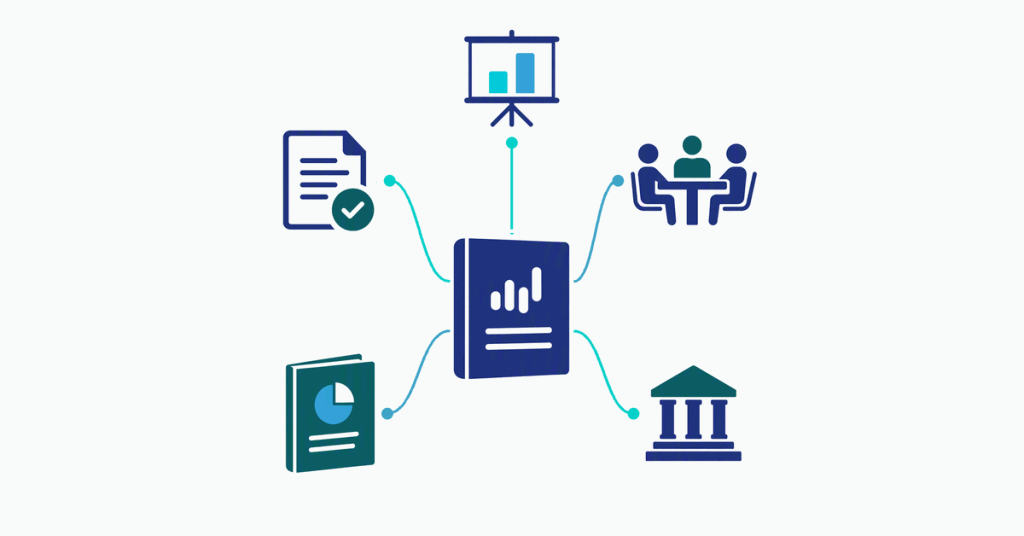
An alumni study is only worth what you do with it. Five places to put the findings to work, from funding proposals to the slides you present everywhere, and how to keep the evidence alive…
Why your alumni survey is telling you what you want to hear
Alumni surveys are biased before anyone answers: they reach the alumni who stayed connected, and hear back from those whose careers stayed closest to you. Here’s why, and how to use surveys well.

What Will You Show When Renewal Comes? Three questions a funder may ask
Every publicly funded research organization eventually faces the same test. A renewal comes due, or a major new ask is being prepared, and someone has to show that the organization delivers value for the money…

LinkedIn Data is Now Less Accessible: Implications for Measuring Impact of Research Organizations
Introduction Canada’s ability to make evidence‑based investment decisions depends on understanding how research organizations contribute to the training of Science, Technology, and Innovation talent. Online career platforms—especially LinkedIn—have enabled organizations to track alumni progression and…

Strengthening Canada’s Talent Pipeline: Measuring Impact of Research Organizations
Summary A robust system for attracting, training, and retaining highly qualified personnel is essential for Canada to navigate changing priorities arising from US-Canada relations, defense concerns, AI, climate change, and the demand for critical minerals.…
